Back to blog
WTF Is OpenClaw?

→ Building OpenClaw agents that actually work in production? Start with infrastructure you can trust.
Explore Pinata’s Dedicated Agents: https://agents.pinata.cloud
The hype is real - The results are not.
It doesn’t matter if you scroll LinkedIn, X or Instagram, everyone is doing something with AI.
But very few are making it work beyond basic productivity; writing emails, scheduling meetings or reviewing documents. Sure, a lot of engineering teams are beginning to automate “typing and scaffolding” tasks that once took weeks, but these use cases are highly focused on routine coding, debugging and shipping MVPs (fast!).
Don’t get me wrong, there has been a LOT of time saved using ChatGPT and Claude, as well as internal tools a larger org might leverage like Microsoft Co-Pilot. We all know where AI can take a business; automating everything from the tasks on a SaaS developer’s backlog to radically improving efficiencies within a multinational supply chain conglomerate.
Every org has an AI Expert or Task Force.
Across markets and verticals, companies small and large, there is someone that has set up an AI agent to take on a mundane (yet important) task. The agent ingests data or documents > executes a multi-step workflow > makes a decision and finalizes the task.
Yet three weeks later, something is wrong. Nobody can reconstruct what the agent saw, what version of the data it used, or why it went off the tracks. The agent audit trail is a black hole. And the person that set it up has either moved on or goes back to the start to spend more time trying to get it working (again).
The (recent) AI timeline — How we got here.
To understand where we are today, it’s important to take a quick look back at the last few years:
- Pre-2022: Generative AI was real in more academic and niche settings, but in most businesses it was still either a buzzword, Machine Learning Pipelines or simply a set of business rules.
- 2022–23: LLMs like ChatGPT are introduced, and given a nice chat-based interface to interact. A heavily reactive experience: you prompt, it responds. The human is the agent.
- 2023–24: Individuals start to understand the power of AI for their day-to-day and start to put it to use. AI gets embedded in workflows. Summarize, draft, synthesize. Still human-directed, but AI is now touching real business data (or at least emails, documents and spreadsheets).
- 2024–25: Coding agents cross the threshold. For the first time AI isn't assisting a task, it's completing them. Multi-file reasoning, autonomous execution. The prototype for everything that follows.
Now: OpenClaw enters the chat. Orchestrators, sub-agents, pipelines. AI calling AI. The human sets the goal; the system figures out the path. A PEEK into the future?
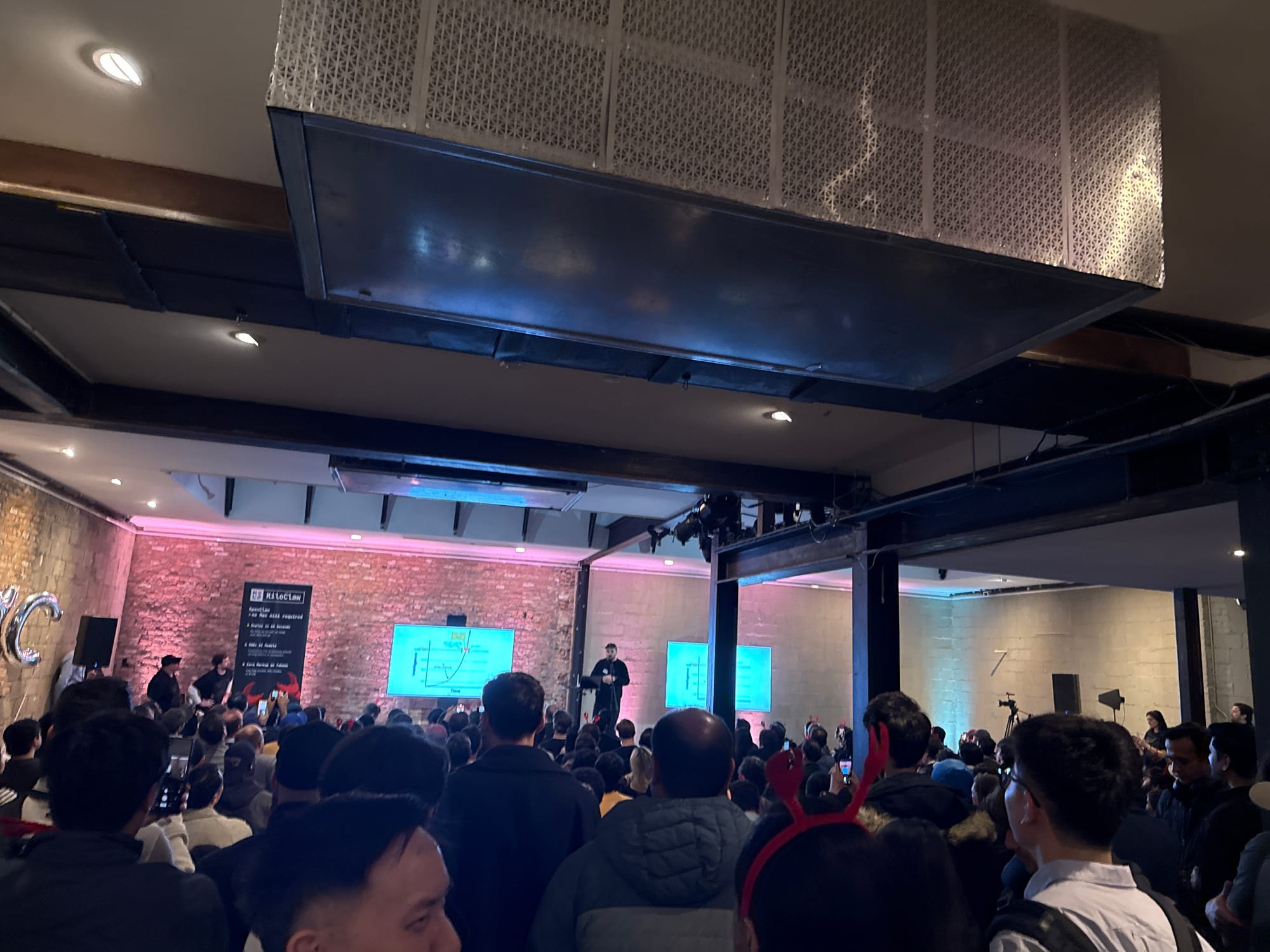
OpenClaw is here and everything is changing…fast.
In November 2025, Peter Steinberger unleashed ClaudeBot into the world: an open-source framework that let AI agents stop talking and start doing. It got hacked, forced to change its name, got reborn as Moltbot, then changed its name again to OpenClaw…and despite the confusion for some, the momentum only grew (and isn’t slowing down any time soon).
What makes OpenClaw different? For the technical, it’s an autonomous personal agent framework. For the uninitiated, it’s essentially a “manager” of agents. It takes a big goal, breaks it into tasks, and hands those tasks to a fleet of specialized agents. Think: a chef calling orders in a kitchen, or a conductor of a train. OpenClaw made it so anyone with a GitHub account and a bad idea could spin up a fleet of agents and have them working together (sometimes).
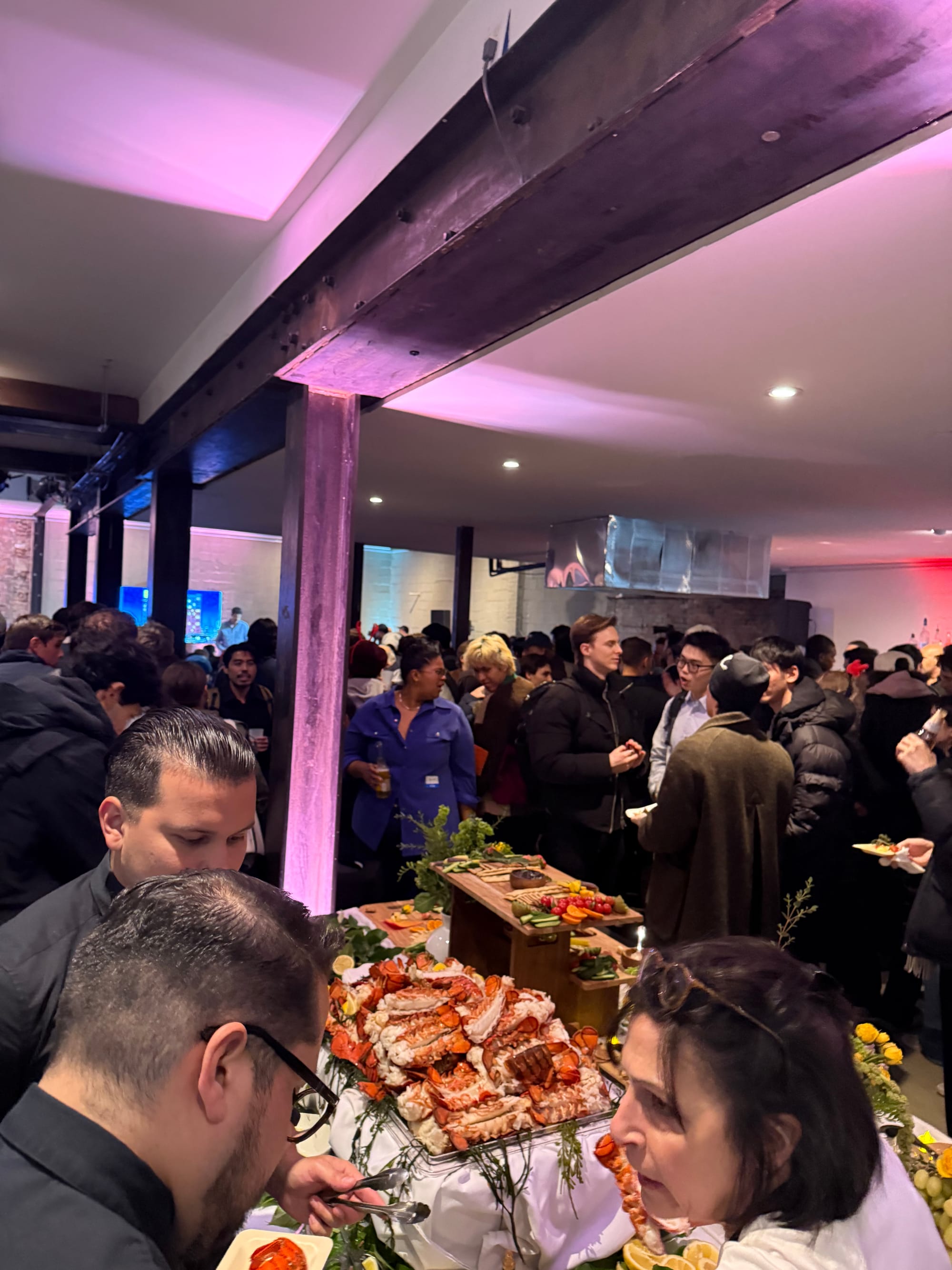
A team of agents? That sounds promising.
Every executive has managed people, contractors, and vendors. Those sweating, complaining, occasionally brilliant people that make things happen. A manager assigns work, sets expectations, and trusts that whoever's doing the job is working from the right information. Agents work the same way. Except they never sleep, push back, or pull you aside to complain about the thermostat in the office.
Think of them as staff you can't see, can't fire, and despite many trying, ones you can't reason with. In order to keep all the agents working together, a many components help orchestrate:
- Skills — modular capabilities you snap onto an agent. Like an attachment on a Swiss Army knife.
- Hooks — deterministic tripwires wired into the agent's lifecycle: session starts, resets, stops, incoming messages. Deterministic event listeners, not autonomous processes.
- MCP Servers — the integration layer that hands your agent a connection to every external tool, database, and API you've approved.
The failure modes aren't new. A contractor working from an outdated blueprint builds the wrong thing with great confidence. A vendor who loses the original brief halfway through delivers something nobody ordered and still sends an invoice. Agents fail the same way, except there's no hangover, no guilt, no moment of human hesitation. Just the work done, at machine speed, while you are sleeping.
But good luck figuring out what it saw and why it stopped working as intended.
It’s not “can they do it”. It’s “can I trust the infrastructure & data”.
Regardless of where you look or who you talk with at an OpenClaw meetup, builders are all running into the same problems. Hallucinations. Going rogue. Ignoring or misinterpreting instructions. The experienced, confident devs all respond “I’ve got sub-agents and guardrails that fix that!”. But if you (politely) push back, the truth comes out: even the sub-agents and guardrails are eventually ignored.
And this loop will continue, because none of these are “AI problems”. Ultimately, each of these problems stems from the file system and data infrastructure the agent lives on:
- Input Drift: The agent reads a file. That file was updated 40 minutes ago by someone else. The agent doesn't know. Neither do you.
- Memory Collapse: The agent completes step one of a 12-step workflow. Context is handed to the next agent. Something gets lost in translation. By step nine, the original parameters have quietly degraded.
- The Un-auditable Decision: Something goes wrong downstream. Legal wants to know exactly what the agent saw, when it saw it, and what version of every input it used. You have nothing.
Because of these issues, very few agents are moving beyond a testing phase or a sandboxed environment and into production environments. Powerful? Yes. Ready for showtime? Not quite.
The Missing Primitive: Content-Addressed, Verifiable Memory
Solving problems like these won’t be done with a new S3. And it’s certainly not solved by buying a bunch of used Mac Minis. Agents are, by design and in practice, tools for humans to use on the internet to solve problems. There is no escaping their “internet first” nature, and now even some crypto-skeptics are beginning to embrace “internet native” methods of payments, like stablecoins and x402, to make their agents more powerful.
But not every agent needs to be using stablecoins or crypto payment rails; however, they do need a better way to store files, replicate success and coordinate with other agents. And this all starts at where and how the data is stored.
Content-addressed storage means a file's identity is its content, not its location. Change one byte, you get a new identifier. Instantly, by default, without any extra tooling.
For agents, this means:
- Tamper-evidence is structural, not bolted on
- Memory persists across sessions, systems, and handoffs without degrading
- Audit trails reconstruct themselves — you can always prove exactly what the agent saw
This is not a new technology. It is a technology whose moment has finally arrived.
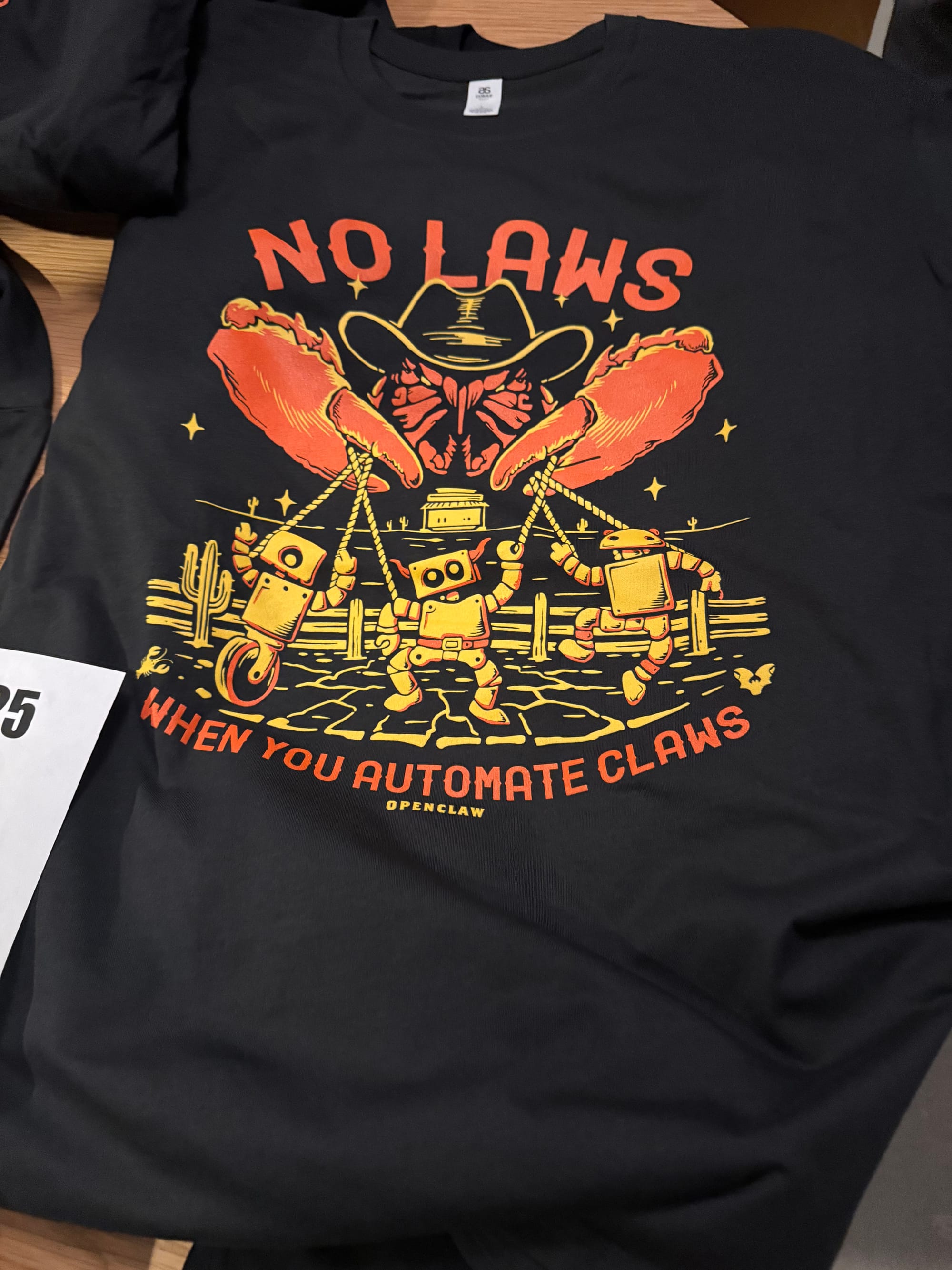
Agents as Tools > Agents as Machines > Agents as Factories
The enterprises that will win this aren't the ones with the most capable agents. They're the ones that treat agent infrastructure with the same rigor they applied to API infrastructure a decade ago: contracts, versioning, observability, and trust boundaries.
Pinata’s CEO wrote a recent blog post on The Division of Cognition that breaks this shift down with historical context: the real shift in AI isn’t a single agent getting smarter, it’s many specialized agents working together to solve layered problems, much like Industrial Revolutions of that past.
For that to work, agents need shared, verifiable memory they can trust as work moves between them. That’s the infrastructure layer we’re building at Pinata, making it possible for agents to coordinate, share context, and tackle bigger problems together.
If you’re ready to start building agents with secure hosting with verifiable storage, try out Dedicated Agents by Pinata: